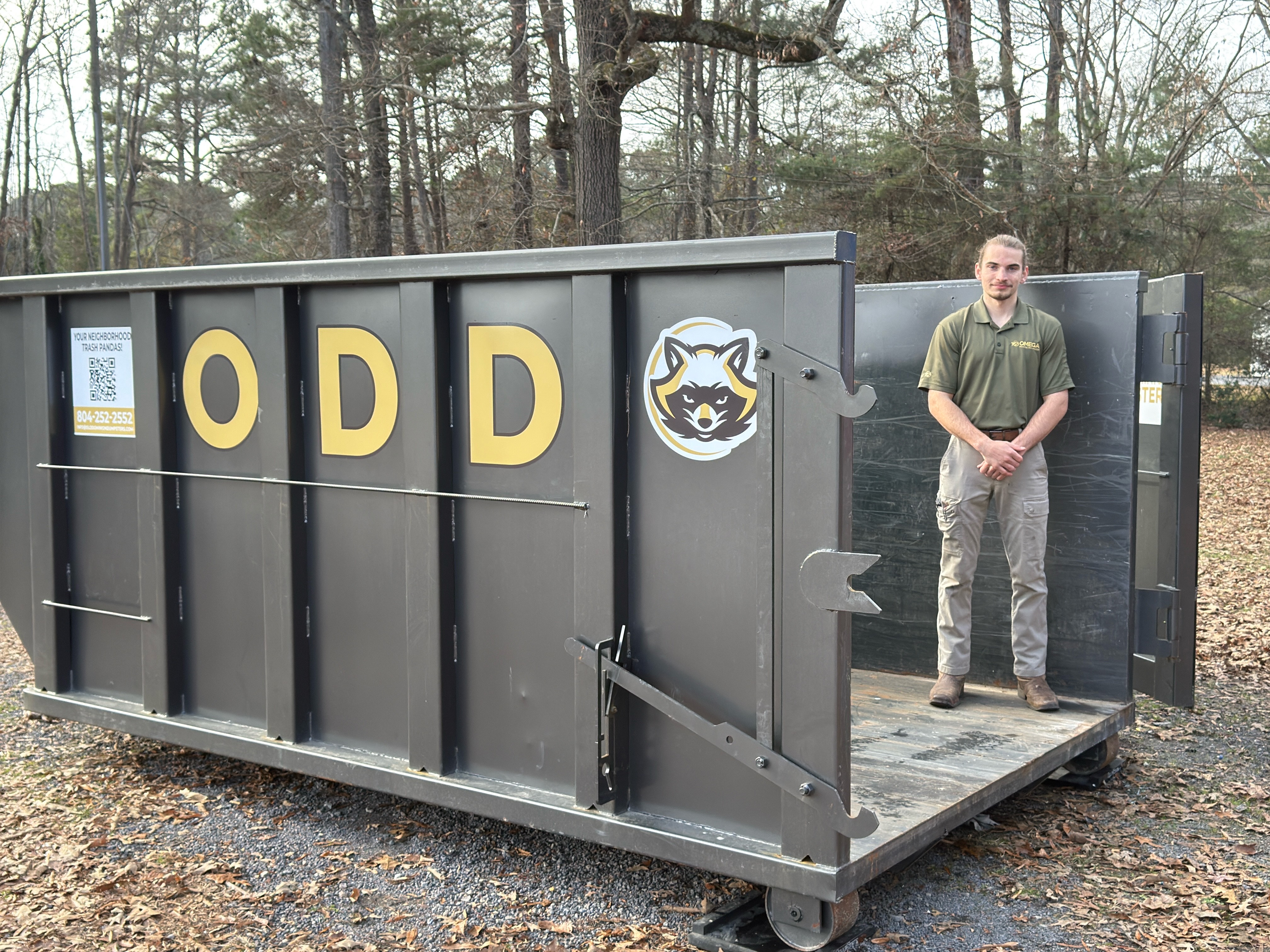
Managing debris and clutter effectively, maximizing dumpster space can completely change how smoothly your project runs. Old Dominion Dumpsters has witnessed how effective planning and smart loading make every dumpster rental more productive. It is not only about throwing things away but also about creating a smooth, organized process. Taking a thoughtful approach to how you load your container ensures you can handle more material in less space, reducing downtime and keeping your work area clear. Using the right techniques guarantees every trip is worthwhile and your project stays on track.
Old Dominion Dumpsters has partnered with clients for jobs of every size, from home renovations to commercial builds. Through that experience, we have developed reliable tips for making sure you maximize space without sacrificing safety. Loading a dumpster is not just about tossing things in; it requires a process that keeps weight balanced and prevents wasted room. These tips are designed to help you take control of waste handling and keep your work organized.
Plan Your Loading Strategy
Having a clear plan before you start filling the container is essential. Randomly throwing materials inside often results in wasted space and a messy container that fills up quickly. Taking a few minutes to plan your loading order can save you trips and make your workflow much smoother. We recommend starting with a clear idea of which materials will go in first, which should be broken down, and which can be stacked. Planning ahead will also help prevent safety hazards by keeping heavier items at the bottom and lighter debris on top.
Having a preparation area for sorting waste makes loading faster and more efficient. Separating items first simplifies stacking and ensures even distribution. By staying organized outside of the dumpster, you can streamline the loading process and reduce the time spent rearranging items inside. Good planning early on leads to an efficient project and optimal use of the container.
Break Down Large Items
Leaving big items intact often results in wasted room in the dumpster. Furniture, cabinets, and construction materials should be dismantled whenever possible before being placed in the dumpster. Removing legs, flattening wood, and separating pieces saves space and makes room for more. It also helps balance weight properly for safe transportation.
Breaking objects down adds an element of safety for loaders. Moving dismantled parts is safer than moving entire heavy objects. We suggest keeping simple tools within reach to make disassembly easier during cleanouts. Smaller, stackable sections maximize available space in the dumpster.
Stack and Layer Materials
The way materials are placed inside the dumpster can determine how much space is ultimately available. The best method is to place heavy debris on the bottom and lighter items above. Doing so avoids empty spaces and keeps everything steady while hauling. Imagine it as solving a puzzle where every piece has to fit perfectly for maximum capacity.
Stacking materials neatly also improves safety by preventing items from shifting unexpectedly. An organized load keeps debris secure when the dumpster is relocated or more waste is added. Organizing as you go saves time in the long run because you avoid having to rearrange or push things down later. Following a methodical process helps you maximize space while staying within safe limits.
Fill Gaps with Smaller Debris
One of the easiest ways to maximize space is by filling gaps with small items and loose debris. After stacking larger objects, there are often open spaces where waste can settle. Filling openings with smaller debris ensures every bit of space is used and the load stays balanced. It works well with leftover wood pieces, branches, or miscellaneous household clutter.
By saving loose debris for last, you can sweep up what remains on the ground and make sure it fits into every corner. Doing this uses every inch of the container and leaves your jobsite neat and tidy. Clients are encouraged to look for unused capacity and add loose waste before requesting removal. Those last few pieces can help maintain a clutter-free work area.
Safety Practices During Loading
Maximizing space should never come at the expense of safety. Overloading the container or stacking materials too high can create hazards for workers and for transport. Keep all waste contained within the top line to avoid falling debris during transport. Evenly distributing weight is key because unbalanced loads can shift and cause problems.
Our team suggests using gloves, boots, and other safety gear during loading. Taking the time to load items carefully helps prevent accidents and ensures that the dumpster can be safely removed once it is full. Safety and productivity are top priorities for Old Dominion Dumpsters, and we advise every client to keep them in mind.
Plan Timely Pickup
After the container is full, arrange for quick pickup to maintain workflow. A filled container left on-site too long becomes an obstacle and disrupts here the project. Arranging pickup early ensures that another container can be brought promptly if required. This approach maintains a smooth waste removal schedule.
Coordinating with the provider about your schedule guarantees better timing. Old Dominion Dumpsters partners with clients to make sure delivery and pickup match the project schedule. This proactive approach eliminates downtime and keeps the project moving forward.
Organized Waste Management Delivers Better Results
Maximizing space is not only about quantity but about creating a smooth process. It helps maintain a clean, safe jobsite and a consistent pace of work. A well-loaded dumpster helps avoid multiple trips and keeps focus on the task at hand.
We believe efficient waste handling leads to a smoother project experience. These methods help you control waste and get the most from your efforts. The right strategy makes even heavy debris jobs easier and more organized.